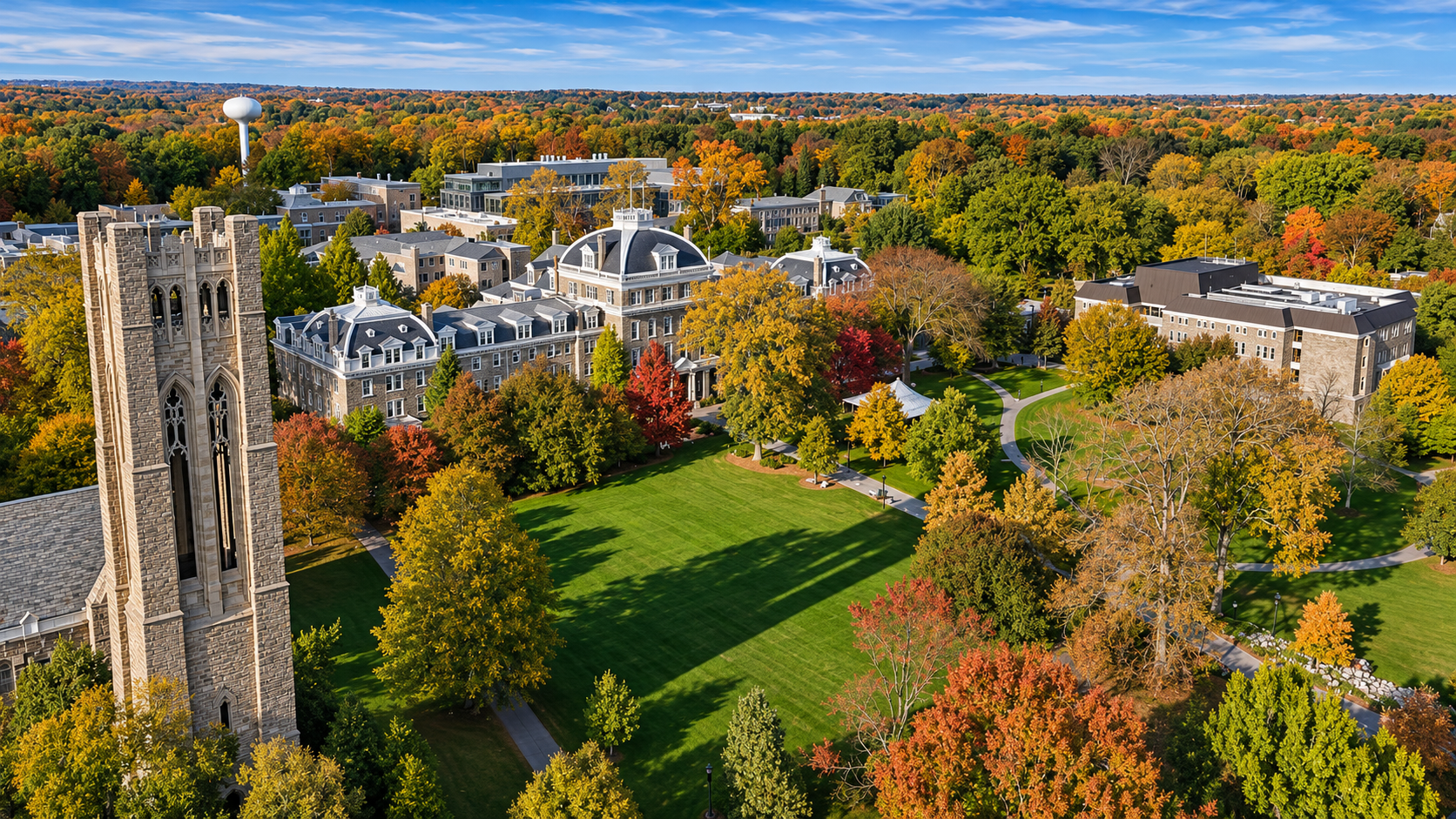
Building a More Sustainable Energy Future for Swarthmore College
Smardt's heat recovery chillers support Swarthmore College's transition from a traditional steam-based system to lower-carbon geothermal heating and cooling.
Download Case Study PDF
Full project report & specifications document
Project Overview
Swarthmore College is working to transition from its aging steam-based heating infrastructure to a lower-carbon geothermal system.
As part of this initiative, Smardt, working with Coward Environmental Systems Inc., supplied two 750 TR water-cooled heat recovery chillers featuring oil-free magnetic-bearing technology.
The system combines efficient part-load operation, compressor redundancy, and heat recovery capabilities to support the college's long-term campus decarbonization strategy.
The Challenge
Transitioning from Steam to Geothermal Heating and Cooling
Swarthmore College set out to replace its traditional steam-based heating infrastructure with a geothermal system capable of supporting campus heating and cooling requirements.
The transition presented several challenges. Existing buildings were designed for higher-temperature steam heating, requiring upgrades to accommodate a lower-temperature hot water system.
The new equipment also needed to operate efficiently under varying loads while providing reliable service for critical campus infrastructure.
Equipment redundancy and dependable local technical support were important considerations in the selection process.
The Solution
Heat Recovery Technology for Year-Round Operation
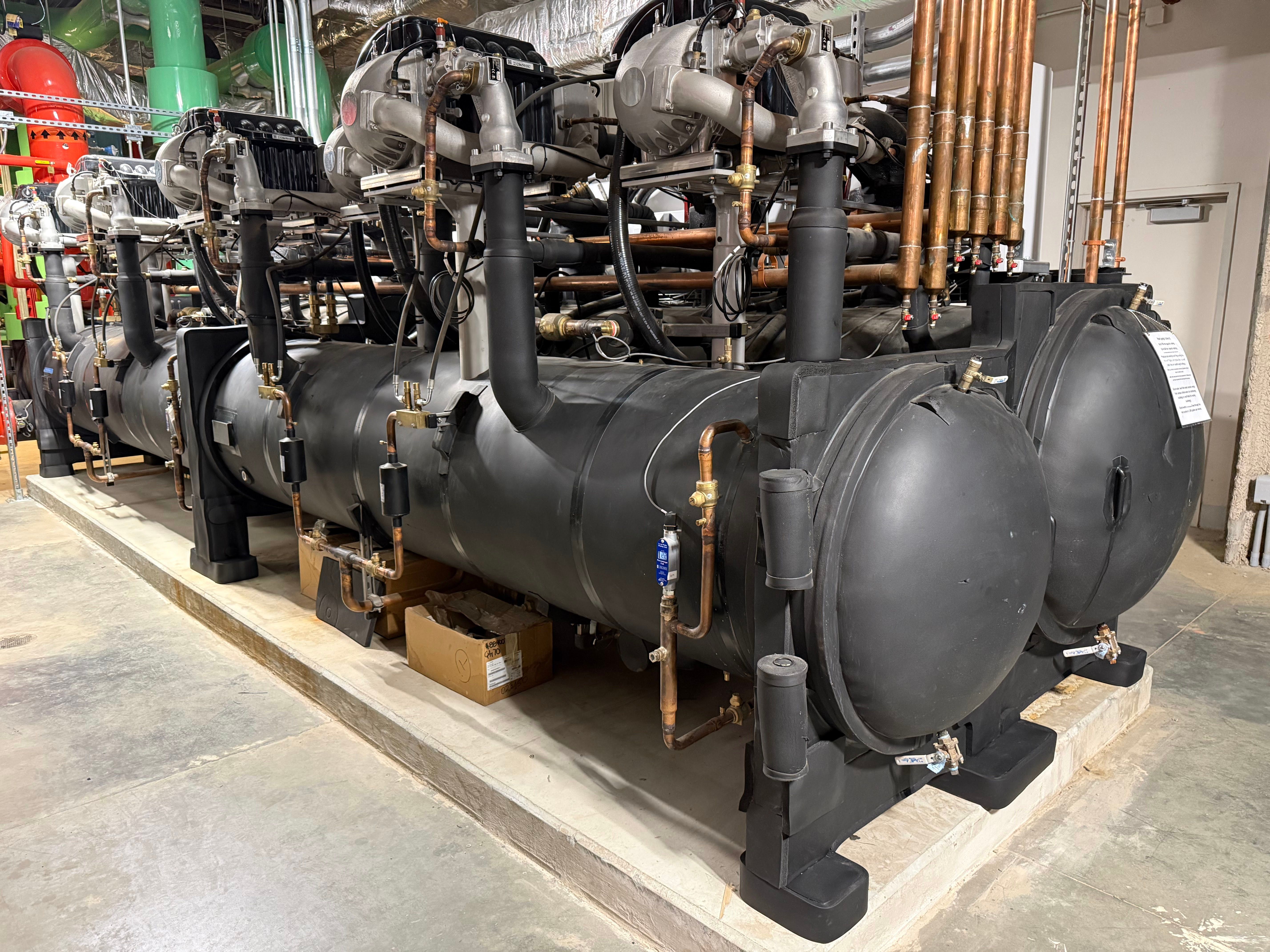
Working with Coward Environmental Systems, Smardt supplied two 750 TR water-cooled heat recovery chillers connected to a newly installed geothermal field.
The chillers provide chilled water for campus cooling and recover usable heat to support heating in buildings equipped to use the lower-temperature hot water system.
Oil-free magnetic-bearing technology supports efficient operation under part-load conditions, which are particularly important for the campus's operating requirements.
The multiple-compressor configuration also provides operational flexibility and redundancy, allowing the chillers to continue operating at available capacity if an individual compressor is unavailable.
Smardt and its local partners provided factory and field support throughout installation, commissioning, and startup.
Results and Benefits
1. Making Better Use of Thermal Energy
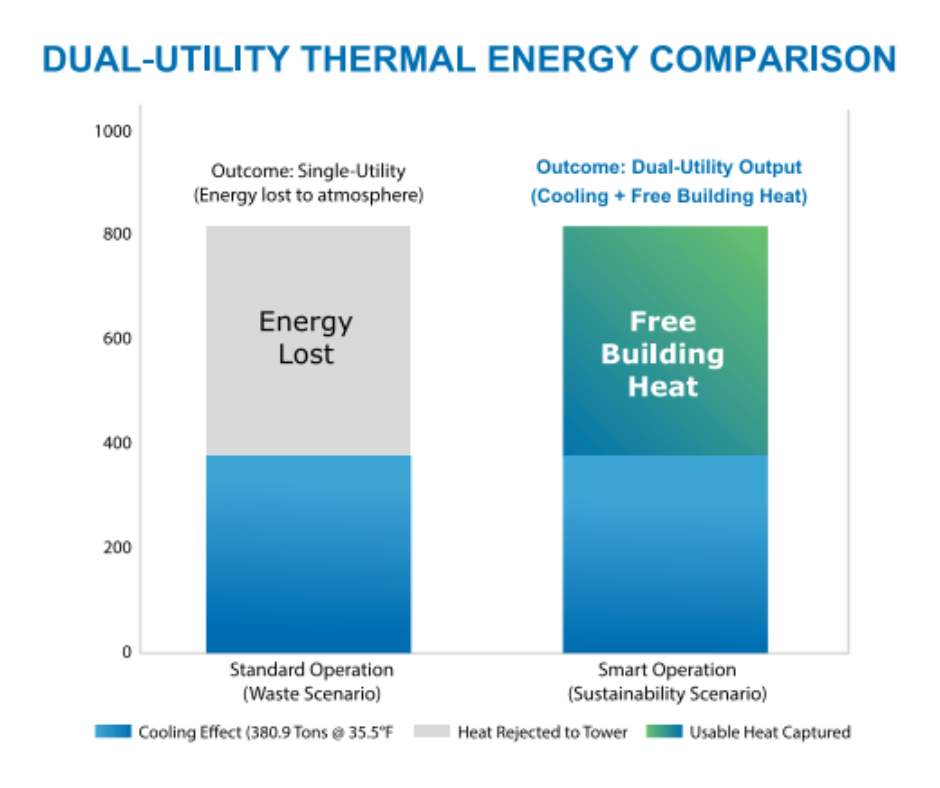
By integrating heat recovery chillers with the geothermal field, Swarthmore College can use thermal energy for both cooling and heating applications.
During a recorded operating period, the system delivered 380.9 TR of cooling while simultaneously capturing usable heat at 120.3°F.
This dual-purpose operation makes more effective use of recovered thermal energy and helps reduce reliance on supplemental heating in buildings equipped to use the lower-temperature hot water system.
2. Optimized for Part-Load Efficiency
University campuses rarely operate at maximum cooling demand throughout the year.
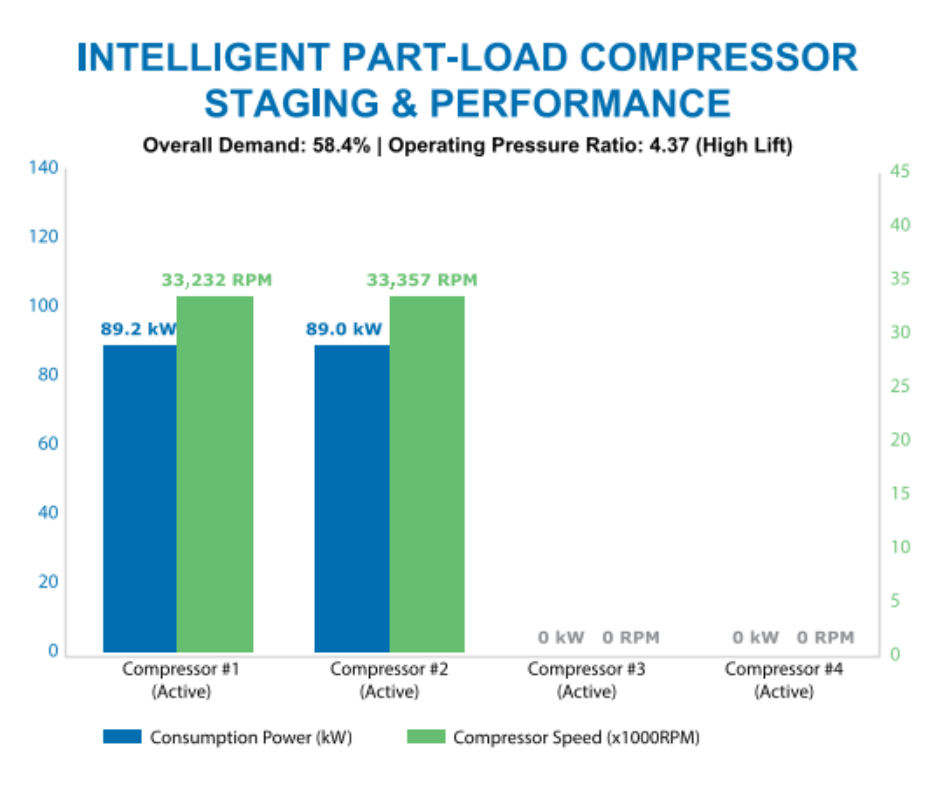
Smardt's magnetic-bearing technology supports efficient operation under varying loads, helping the system respond to actual campus requirements.
During a recorded operating snapshot, the chiller operated at 58.4% load with two active compressors.
3. Built-in Operational Redundancy
The multiple-compressor configuration supports system availability by allowing continued operation when an individual compressor is out of service.
This flexibility helps reduce operational risk and supports dependable heating and cooling for campus facilities.
4. Technical Support from Installation Onward
Beyond equipment performance, Smardt and Coward Environmental Systems provided technical guidance throughout installation, startup, and ongoing service.
This collaborative approach helped build customer confidence in the new technology and support a successful transition.
Performance figures reflect operating data recorded on July 16, 2025, and do not represent annual performance averages.
Supporting Swarthmore's Long-Term Sustainability Goals
The geothermal heat recovery installation represents an important first phase in Swarthmore College's broader plan to replace its aging steam plant and reduce campus carbon emissions.
The mechanical room has also become a point of interest for students and visitors, with tours highlighting the college's investment in modern energy infrastructure.
Key Project Details
Installation: Factory and Local Field Support Throughout Installation and Commissioning
Application: Geothermal Heating and Cooling
Total Capacity: 1,500 TR (approximately 5,275 kW)
Installation Timeline: Installed in 2024
Key Stats
380.9 TR
Cooling Delivered
Dataset
120.3°F
Recovered Heat Temperature
58.4%
Recorded Chiller Load
Project Facts
INDUSTRY
Higher Education
LOCATION
Swarthmore, Pennsylvania, USA
CAPACITY
1,500 TR (approximately 5,275 kW)
PRODUCT
Two 750 TR Water-Cooled Heat Recovery Chillers
YEAR COMPLETED
2024
Related Case Studies
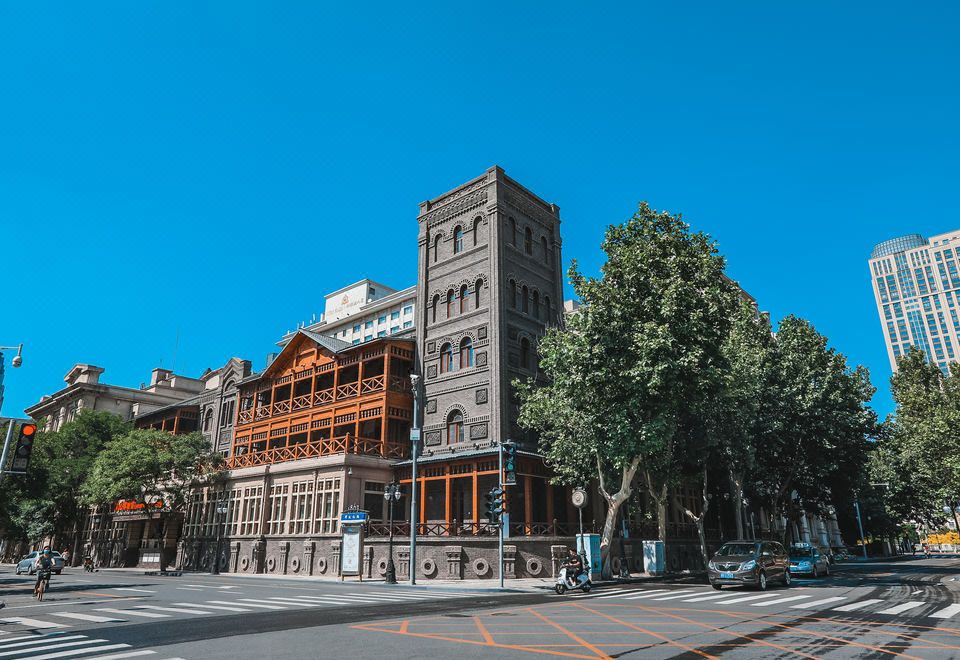
Historic Tianjin Hotel Achieves 40% Energy Savings with Smardt Oil-Free Chiller Technology
Read Case Study→
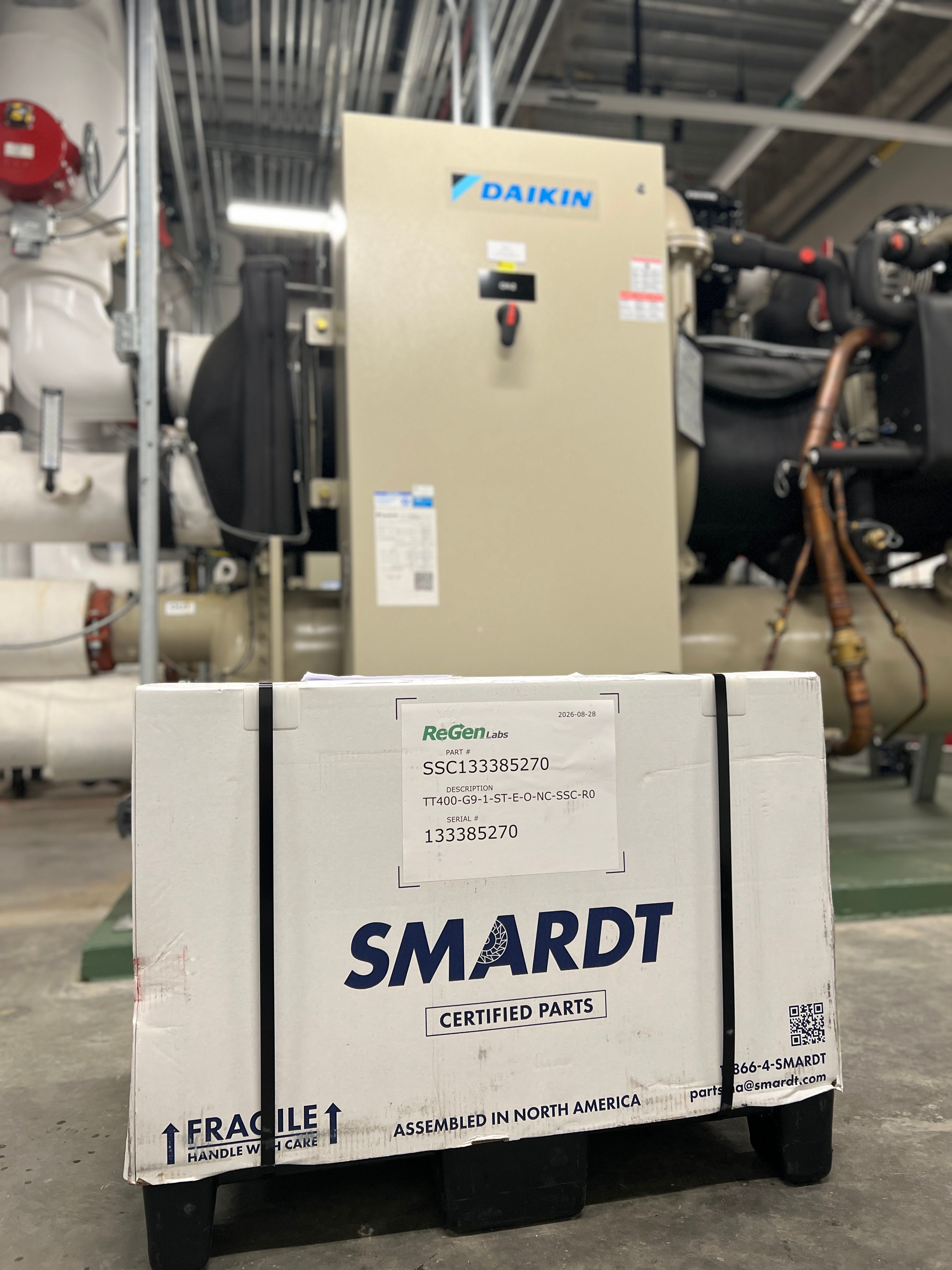
EXTENDING CHILLER LIFE WITH A REGEN COMPRESSOR
Read Case Study→
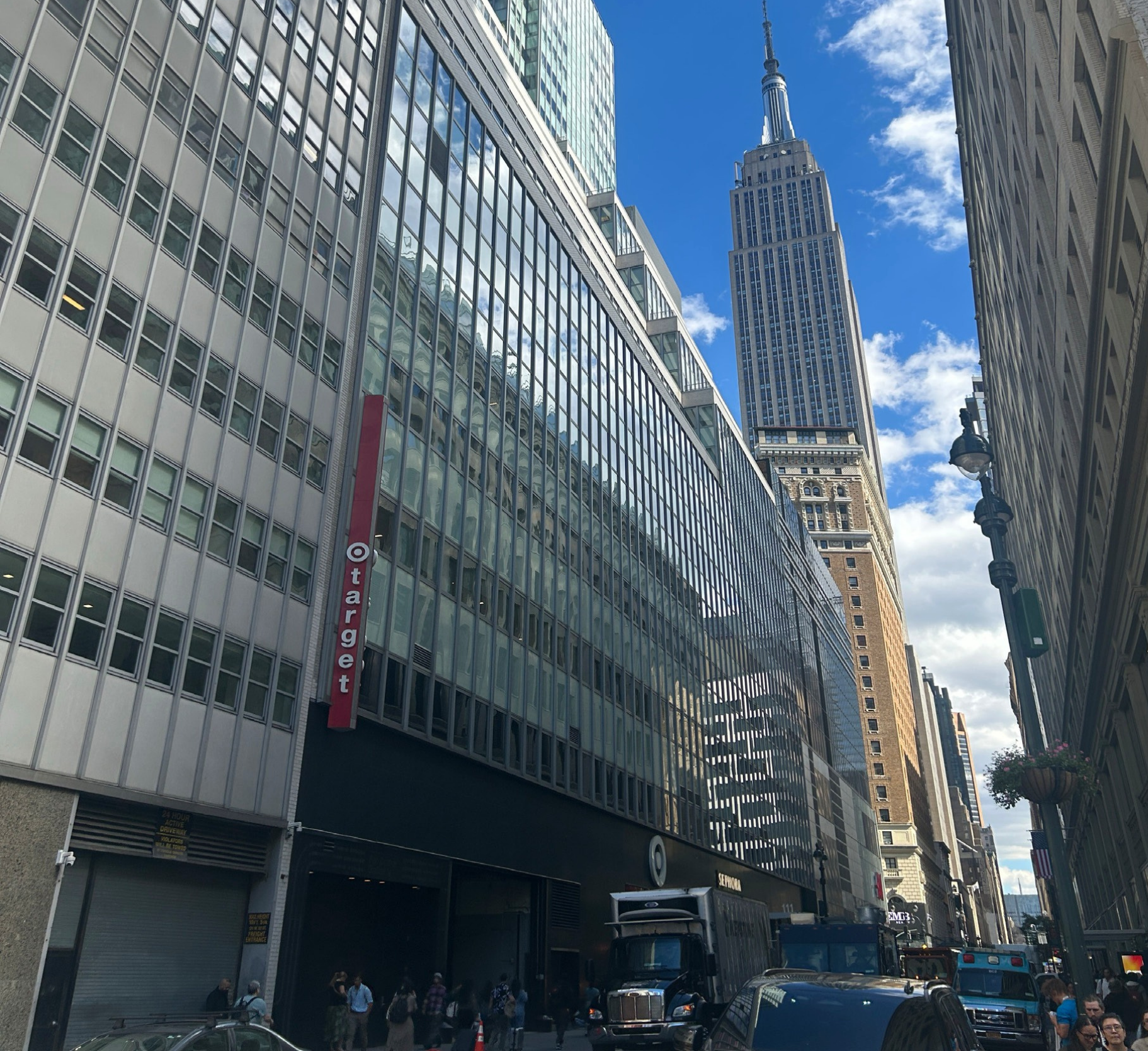
Against the Clock: How Dalkia and Smardt Restored Critical Cooling Over a Weekend
Read Case Study→
